Wall risk
Outlet, Switch, and Hidden-Service Pre-Check Checklist
Use this when an outlet, switch, cable plate, plumbing-adjacent wall, exterior wall, heat source, or utility clue is part of the decision. It does not locate hidden services.
Library
Search for wall repair, small drywall holes, patch materials, paint mismatch, TV mounting, renter tools, and checklists without learning the internal taxonomy.

Two common decision paths
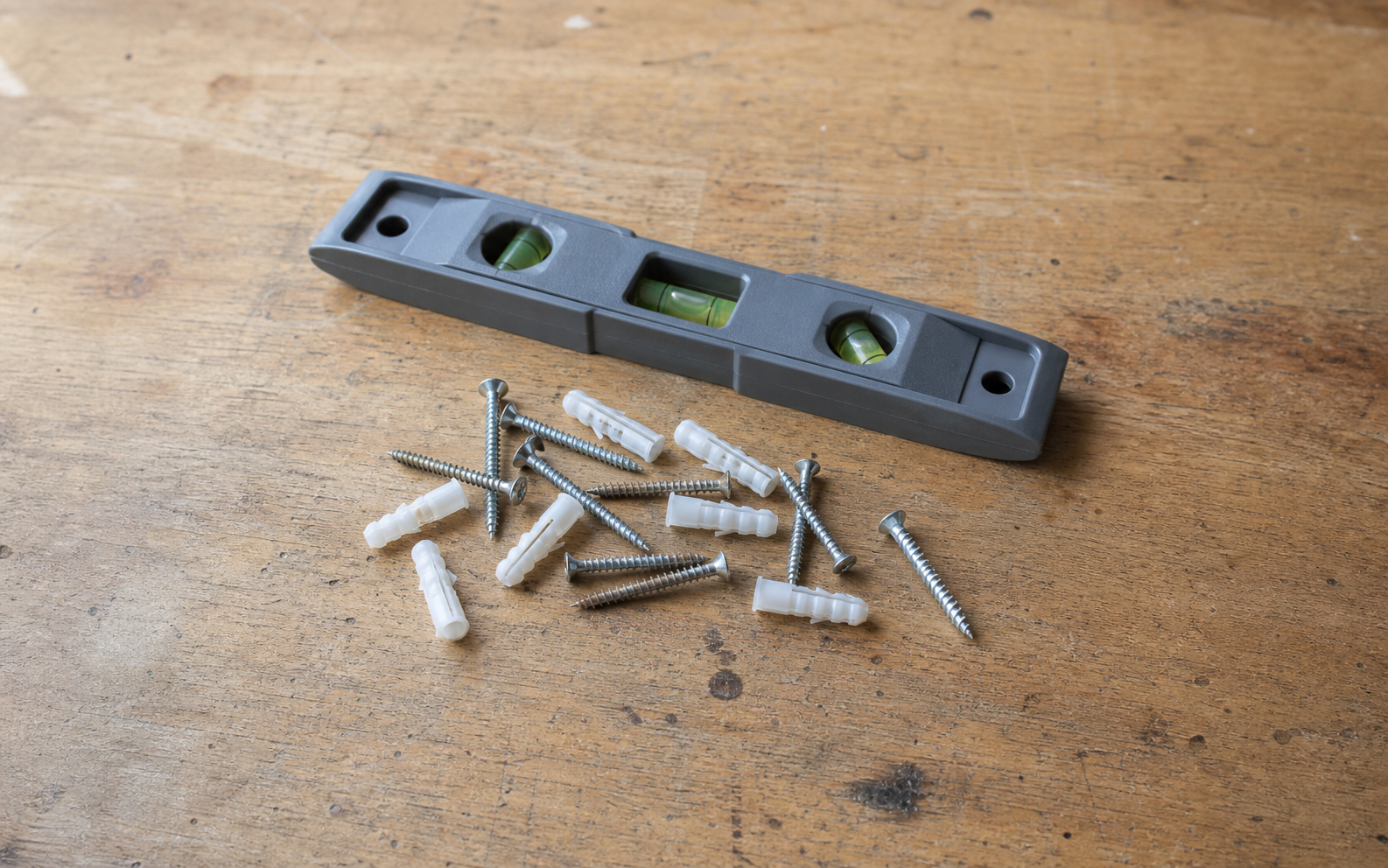 Choose an anchor by wall and loadOpen the existing drywall-anchor decision guide.
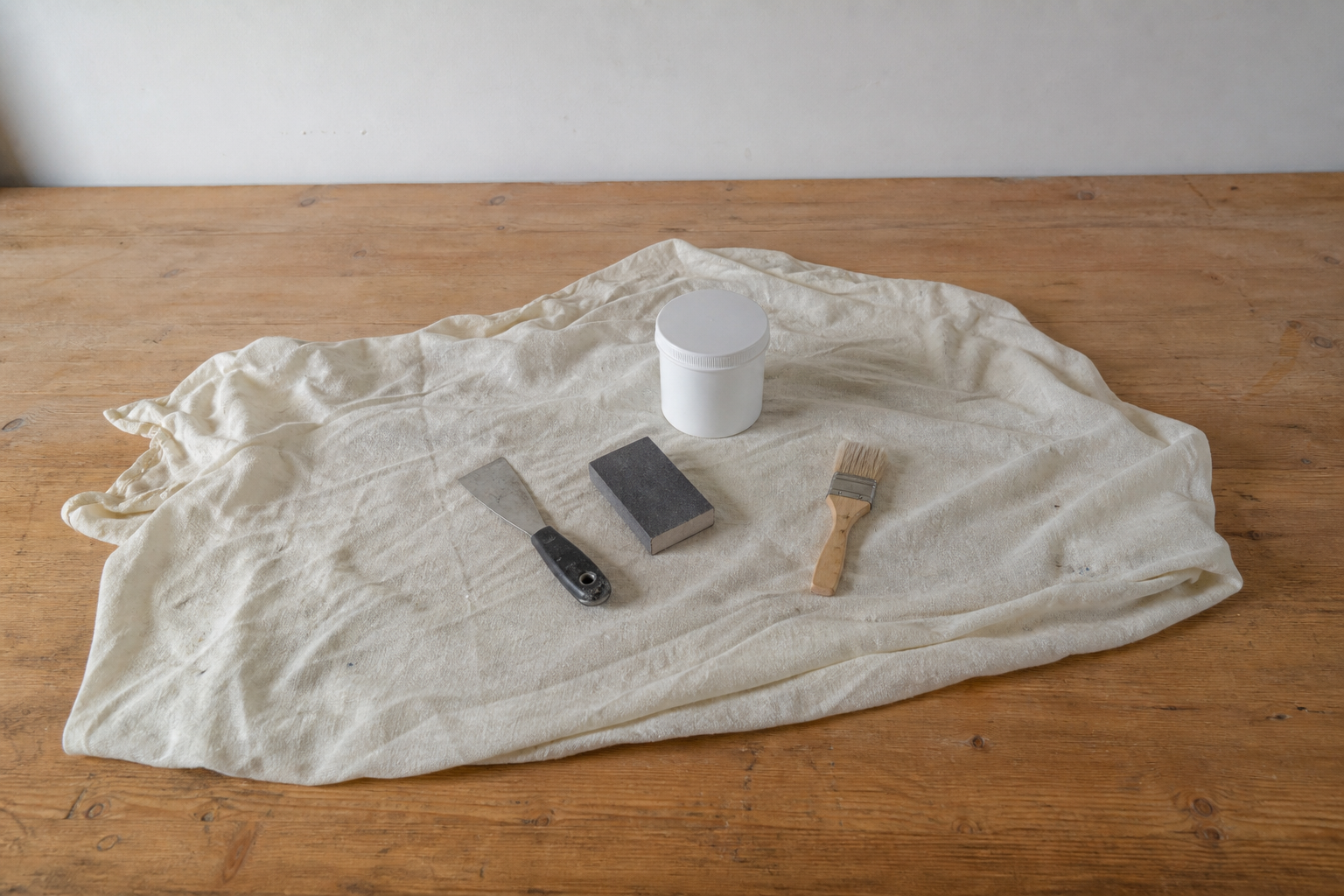 Decide whether a small hole is a DIY patchOpen the existing small-drywall-hole guide.
These AI-generated scenes are context only—not documentary evidence, inspection, hands-on testing, repair suitability, clearance, permission, actual customer property, or safe-location guidance.
Review-only planning checklists
Use these to organize the next decision. They do not approve drilling, mounting, patching, painting, lease decisions, or product choices.
Wall risk
Use this when an outlet, switch, cable plate, plumbing-adjacent wall, exterior wall, heat source, or utility clue is part of the decision. It does not locate hidden services.
Wall risk
Use this when the wall looks wet, soft, cracked, bulged, stained, loose, or repeatedly patched before patching, painting, drilling, or mounting.
TV mounting
Collect room, wall, bracket, hardware, cable, measurement, and consequence context before review. The packet does not verify support or mounting readiness.
Anchors
Use this after an anchor spins, pulls out, tears paper, or enlarges the hole. It does not confirm load capacity or approve reuse.
Patch / paint
Use this before a small mark becomes a larger repair.
Renter decisions
Use this before tools, hardware, adhesive, patch, or paint come out. It does not interpret your lease or approve a wall change.
Library results
Search and filters run in this browser.
A realistic renter tool list for common setup, hanging, assembly, and touch-up jobs without overbuying gear.
A lean starter repair kit for renters who want to handle common apartment setup, touch-ups, and low-risk wall decisions without buying a full workshop.
A beginner-friendly guide to anchor types, wall risk, common failure modes, and when a stud matters more than the anchor.
A decision-first guide to whether TV mounting is a reasonable DIY task based on wall type, bracket method, cable plan, and failure downside.
A practical checklist of the room, wall, bracket, TV, and measurement photos that make a mounting review easier before anyone drills.
A plain-English comparison of common small wall-repair materials, when they help, and when finish quality matters more than the patch itself.
How to tell when a small wall hole is a manageable cosmetic repair, when texture or sheen changes the decision, and when to stop before it looks worse.
Why small paint touch-ups often stand out and how to decide between spot touch-up, repainting a larger area, or leaving the wall alone for review.
Review which small cosmetic wall fixes may be worth considering before move-out while keeping deposit, lease, responsibility, and non-cosmetic damage questions separate from DIY touch-ups.
Use this prep guide to organize photos, measurements, access notes, and unknowns before asking about low-risk small repairs. It is not a booking page, quote, price, timing, same-day, one-visit, acceptance, or professional-approval promise.
Use visible wall clues to slow down before drilling—not to confirm wall type or clear the wall. Drywall, plaster, masonry, tile, and layered walls need different decisions.
A stud finder reading is a clue, not drilling clearance. Learn when inconsistent readings across repeated scans, broad alerts, or model-specific warnings mean stop, check the wall and room context, and reassess.
Drywall anchor ratings are conditional, not permission or proof. Before comparing ratings, check the exact product instructions, compatible sound wall, required wall thickness and cavity clearance, installation method, load direction, and consequence if the object falls.
Do not use a fixed distance as permission to drill near an outlet. Distance can reduce concern only when combined with wall type, room context, object consequence, scanner behavior, and a clear stop rule. If the page cannot support an exact clearance claim from authoritative sources, implementation should avoid exact numbers.
Drywall is common, but "drywall" is not enough information. Before drilling, check the object, wall condition, hidden-service risk, support need, fastener instructions, and what happens if the object fails.
Plaster can be harder, older, layered, brittle, or built over lath or masonry. Before drilling, check wall age, surface condition, room context, object consequence, fastener compatibility, and whether the wall should be reviewed instead of forced.
Drywall and plaster can look similar after paint, but they behave differently when drilled, anchored, scanned, or patched. The goal is not perfect diagnosis from one clue; it is deciding whether the job stays simple or moves to learn-first/ask.
A hollow sound can mean many things: drywall cavity, plaster condition, paneling, thin material, a cavity between framing, or simply the way the wall resonates. It does not identify hidden conditions, weak, strong, or safe for anchors.
Do not drill when the wall condition, hidden-service risk, support requirement, surface material, or failure consequence is unclear. A good wall decision sometimes means choosing tape, a different location, more prep, or qualified help instead of a hole.
Above-fireplace TV mounting is not just a height question. Stop if heat, wall material, chimney/fireplace structure, cable path, bracket support, or viewing comfort cannot be reviewed conservatively.
A TV mount decision should start with bracket and TV instructions, reliable support evidence, wall condition, and failure consequence. Photos, calculators, articles, and checklists can help organize the decision, but they do not verify studs, support, or mounting approval.
Plan cables before drilling for the mount. Decide whether cords can stay visible, route along trim, use an appropriate surface cable-management option used according to product instructions and applicable rules, or require qualified electrical planning. Do not hide ordinary power cords inside walls unless the method is explicitly appropriate and reviewed.
Fixed mounts are usually simpler, tilting mounts help with some viewing angles, and full-motion mounts add movement and leverage. The mount style should follow the wall/support decision, not override it.
Plastic anchors and self-drilling anchors are both conditional drywall options. The right question is not which is stronger in general, but whether the object, wall condition, hole quality, and product instructions fit the job.
A spinning anchor usually means the anchor did not bite into sound material, the hole is wrong, the wall is damaged, or the anchor does not fit the job. Stop before enlarging the hole or trying a heavier object in the same spot.
Nail holes are often simpler than screw or anchor holes because they are usually smaller and cleaner. Screw holes, torn paper, anchor damage, crumbly edges, or repeated holes need more inspection before filler.
A small anchor hole can often be treated as a cosmetic drywall repair only if the wall is dry, firm, stable, and the damage is limited. If the hole is torn, crumbly, wet, spreading, or tied to a failed heavy object, stop and reassess before patching.
Touch-up paint can flash because color, sheen, wall texture, applicator, paint age, surface porosity, lighting, and patch material do not match the surrounding wall. A close color is not the same as an invisible repair.
A compact renter starter checklist for common setup, measuring, layout, and light touch-up supplies, without product rankings or brand recommendations.
A stop-first checklist for wall type, placement, fastener choice, and measurement before making the first hole.
The room, wall, bracket, and measurement photos that improve a mounting review before anyone drills.
A prep checklist for organizing small-repair photos and scope notes without treating them as a quote, booking, diagnosis, or approval.
A cautious move-out checklist for sorting small cosmetic touch-ups from documentation, lease/deposit questions, and non-cosmetic stop conditions.
Use this checklist before drilling for a TV mount. A completed checklist does not make mounting the right next step; it only helps decide whether to continue, learn first, prep photos, stop, or ask.
A stop-first checklist for wall areas that look wet, stained, soft, cracked, bulged, loose, mold-concerning, repeatedly patched, or otherwise not ready for a normal drilling, patching, painting, or mounting decision.
A checklist for gathering the wall, room, TV, bracket, hardware, cable-path, and consequence context needed before a TV mounting plan is reviewed.
A renter-focused checklist for deciding whether a wall change should move to Try, Prep first, Learn first, Ask, or Stop before tools or hardware come out.