Start with the wall condition, not the tub
Before choosing spackle, joint compound, or a patch kit, decide whether the wall problem is truly cosmetic. A dry nail hole, a shallow dent, and a small anchor tear are very different from a soft spot, a water stain, or damage that keeps returning.
If the wall is wet, soft, mold-suspect, crumbling, or near a place where hidden wiring or plumbing is likely, the material choice should pause. Filler is for a stable surface, not for hiding a wall condition that needs to be understood first.
Quick comparison: what each material is trying to solve
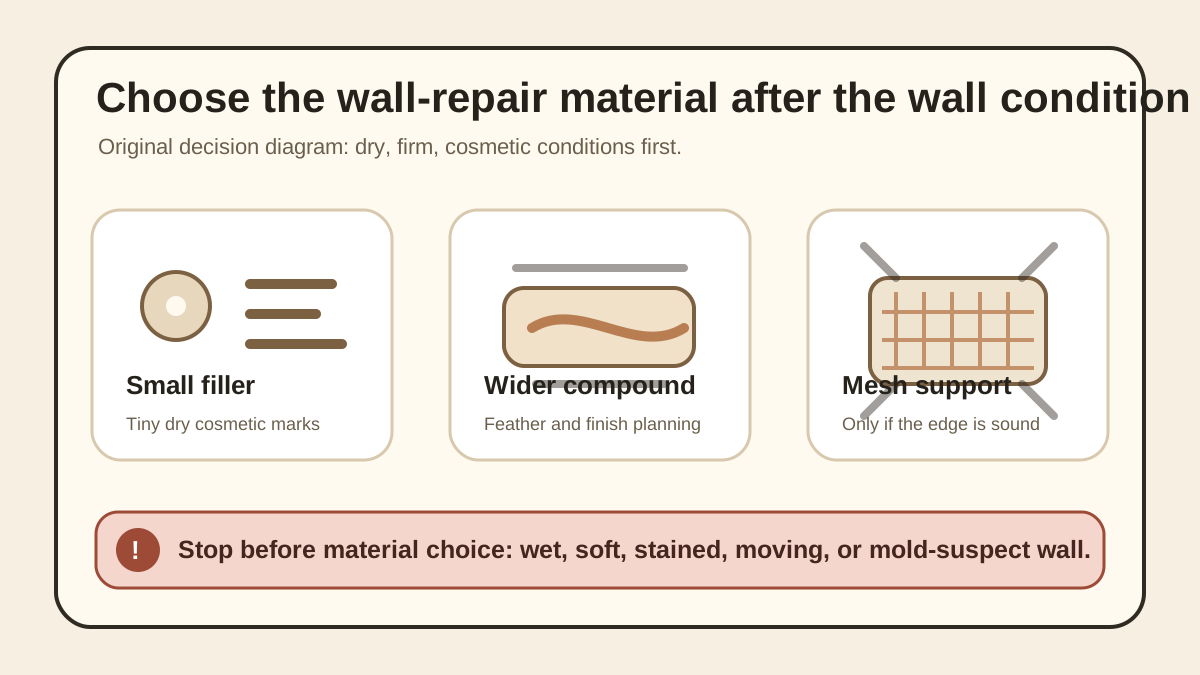
Spackle or filler belongs in small cosmetic fills where the wall is dry, firm, and the product instructions fit the defect. It should not be presented as a way to rebuild weak or wet wall material.
Joint compound fits filling, finishing, taping, skim or feathering, and wider transition work when the surface is dry, dust-free, and ready for decoration according to manufacturer and coating guidance.
Patch kits, mesh, or repair plates are product-specific support choices when filler alone has nothing stable to hold against. They are not structural approval, and they do not make damaged, wet, soft, or stress-cracked wall material safe to cover.
Material decision table, without the false certainty
Tiny nail holes or shallow cosmetic dents on dry, firm wall material usually point toward spackle or filler if the product instructions match the surface.
Wider feathering, transition work, taping, or skim-style finishing usually points toward joint compound, with more attention to dust, cleanup, primer, paint, and the visible repair edge.
A hole that needs support or leaves filler with nothing stable to hold against may point toward a mesh patch, repair plate, or patch kit, but only when the surrounding wall is sound and the product source supports that use.
Wet, soft, stained, mold-suspect, moving, repeatedly cracked, or water-damaged wall material should stop the patching decision before any material category is chosen.
When spackle is usually the cleanest fit
Spackle usually fits small nail holes, shallow dents, and other minor marks where the wall surface is otherwise sound. It works best when the goal is a small cosmetic correction, not a structural or moisture-related repair.
The main risk is overconfidence. Too much filler, rushed sanding, or painting before the material is ready can make a small mark spread into a larger visible spot.
When joint compound makes more sense
Joint compound is more useful when the repair needs a broader feathered edge, a smoother transition, or texture blending. That can matter on a smooth wall, an eye-level repair, or a patch where the surrounding surface needs to be visually softened.
The tradeoff is that joint compound can invite more sanding and more surface area. If the finish standard is high, plan the sanding, dust cleanup, primer, and paint decision before opening the container.
When a patch kit helps
A patch kit helps when the hole needs support that filler alone cannot provide. Mesh or backing can bridge the opening so filler has something to work against.
A patch kit is less useful when the wall around the hole is soft, stained, damp, or crumbling. In that case, the kit may cover the symptom while the wall condition remains unresolved.
Drying and sanding should come from the label
Drying and sanding expectations should come from the specific product label or manufacturer instructions, because material depth, room conditions, and product type all change the timing.
Keep every dry, sand, prime, paint, depth, and layer expectation label-first. Product type, material thickness, room conditions, and surface preparation can change the next step.
The label controls dry time, maximum depth, layering, sanding, priming, painting, surface prep, and cleanup. If the label and wall condition disagree, do not average your way to a repair.
Avoid treating a generic time estimate as a rule. Rushing the next step can pull filler loose, leave a rough edge, trap moisture, or make paint sit differently over the repaired spot.
Common ways a small fill gets bigger
A small fill can grow when the edge is loose, the surface keeps crumbling, sanding widens the rough spot, or the paint plan is left until the end.
Joint compound can invite a wider feathered area than the reader expected. Patch kits can hide an unstable edge if the surrounding wall is not sound. Spackle can look simple until the paint sheen makes the repair stand out.
If each correction makes the visible area larger, pause and decide whether the issue has become a finish problem, a wall-condition problem, or a product-label mismatch.
The finish problem starts after the fill
A wall can be patched correctly and still look wrong after paint. Texture, primer, sheen, old paint, brush marks, roller texture, and side light can decide whether the repair blends.
If the wall is smooth, eye-level, or in strong daylight, treat the finish as a separate decision. A small repair may need a paint plan, not just a filler choice.
Stop before a small repair becomes a bigger one
Stop if each correction makes the repair area larger, if sanding exposes a wider rough spot, or if paint mismatch becomes more obvious than the original damage.
If sanding creates dust, keep cleanup, ventilation, eye protection, and respiratory caution conservative and source-aware; this guide should not become a medical or compliance instruction.
Stop immediately for wet, soft, stained, mold-suspect, repeatedly cracked, or moving wall material. Do not use spackle, joint compound, or a patch kit to hide water damage, mold suspicion, hidden electrical or plumbing concerns, or structural movement.
Next, compare the small drywall hole guide if the wall is damaged, or the touch-up paint guide if the filler is done and the finish is the uncertain part.