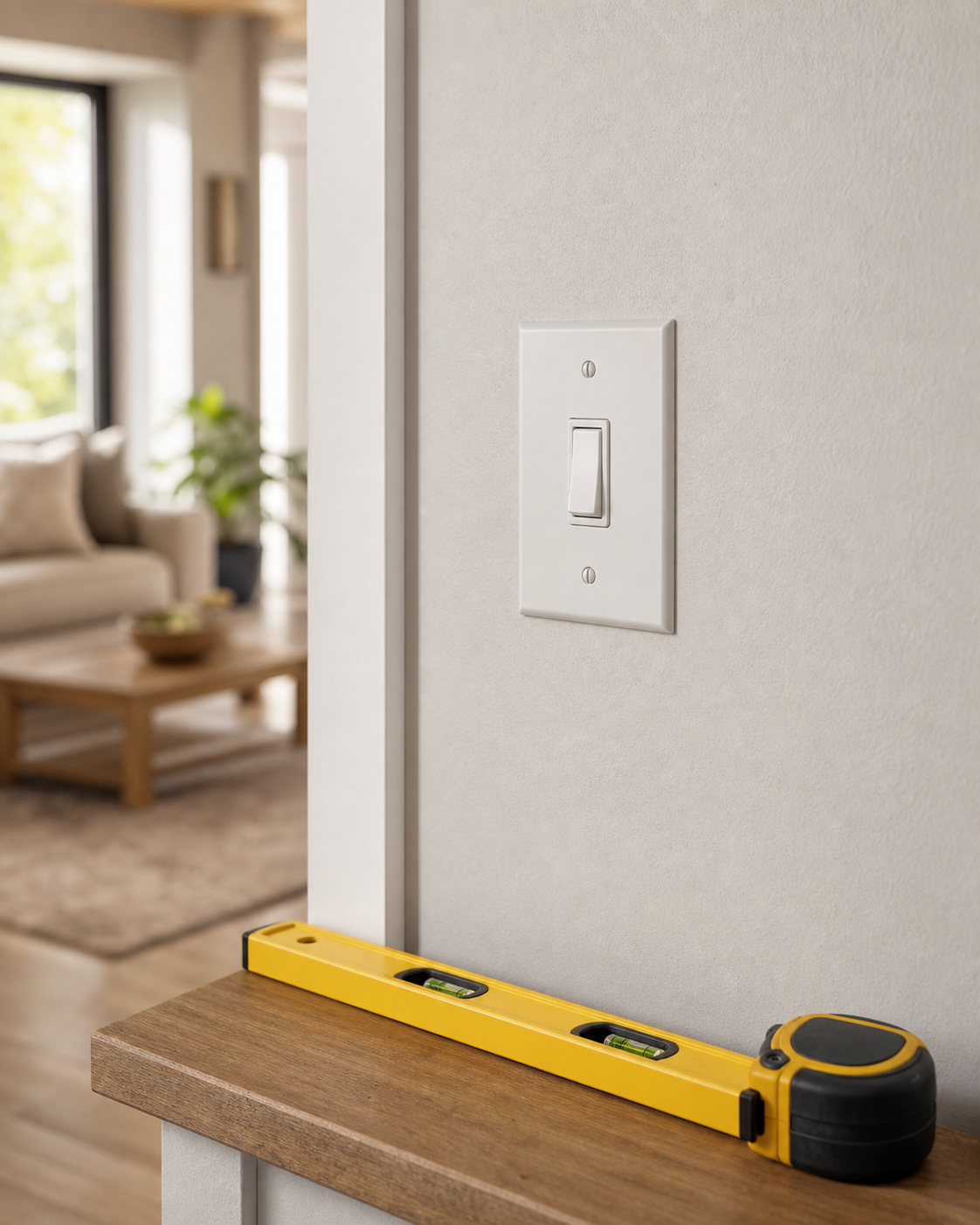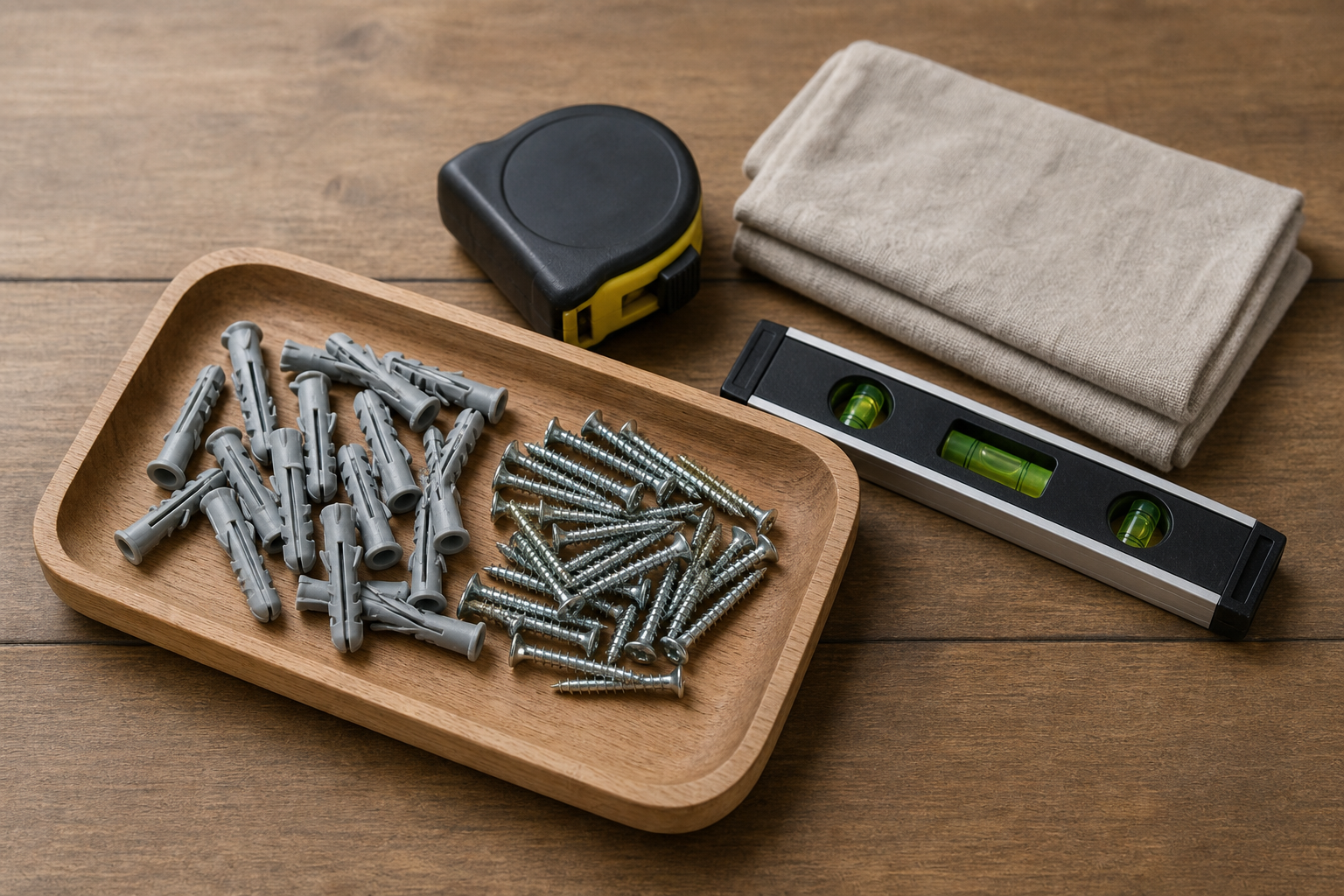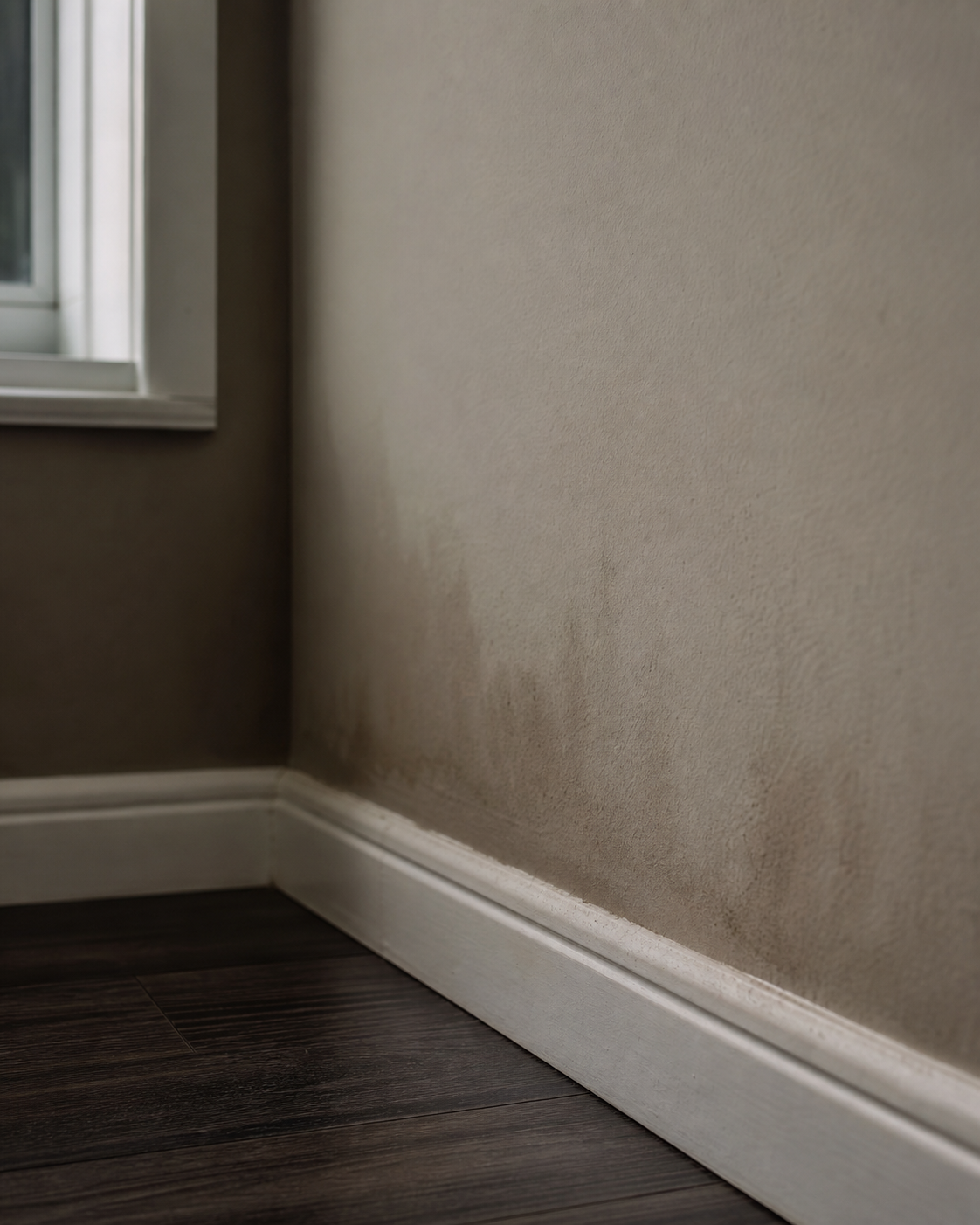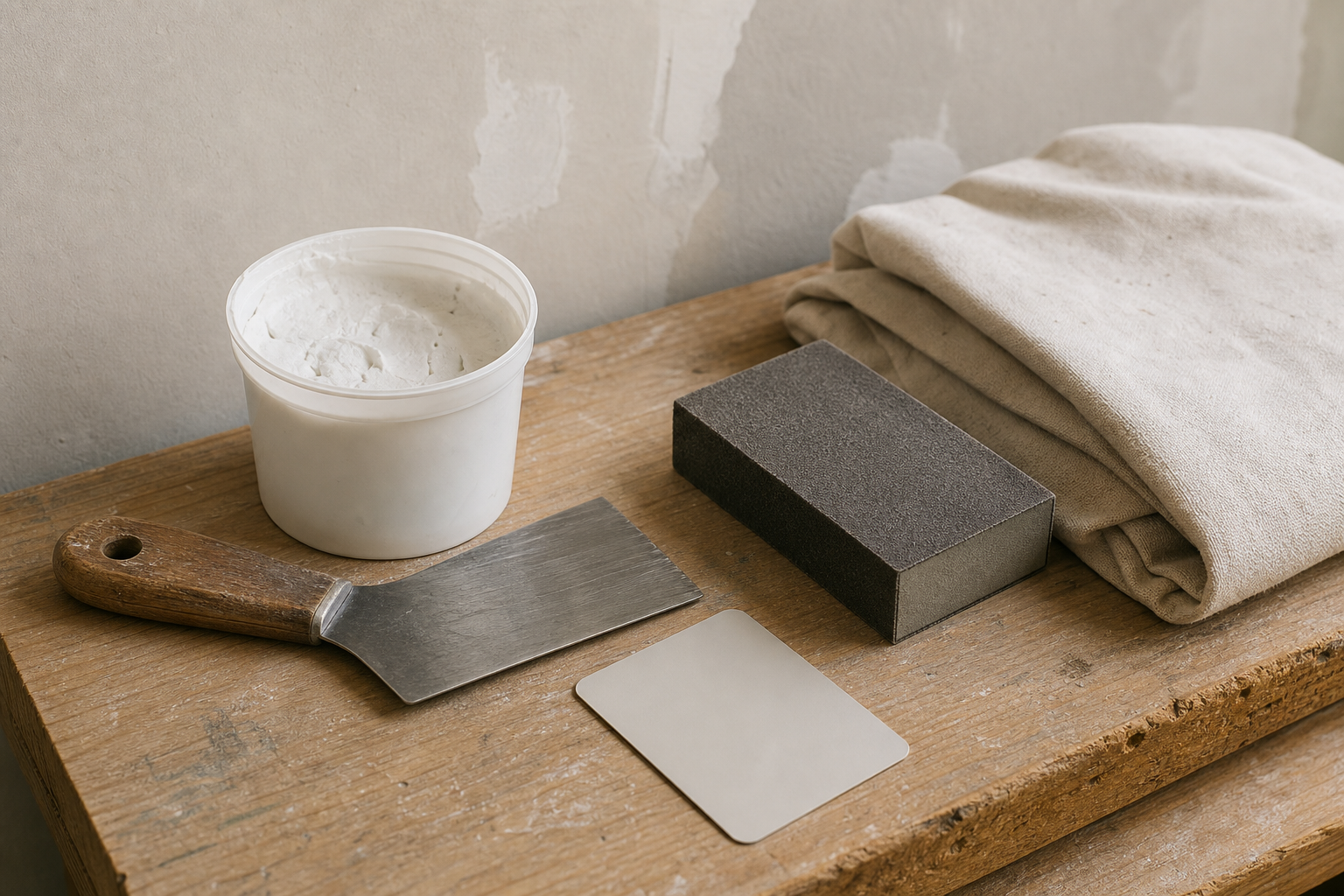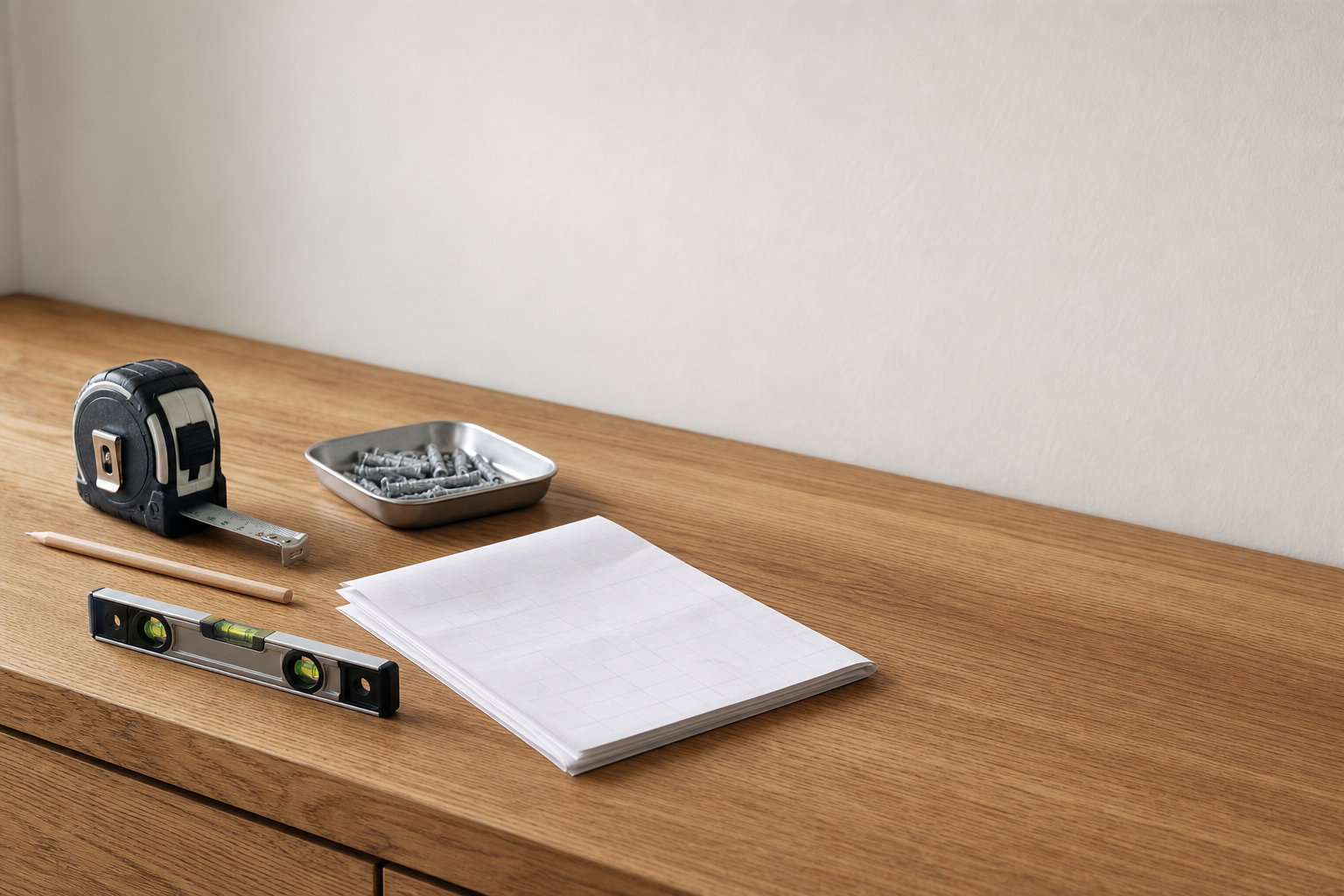
Start at the workbench.

Start at the workbench
1

What are you about to do?

Choose the closest setup. The next step should get clearer before the first hole, purchase, or patch.

What's the wall surface?

DrywallPlasterNot sure

Any of these risks apply?

Electrical nearbyUnsure wall typeHeavy mount

Not sure? Start here, then stop if the wall or risk picture stays fuzzy.

Before you move onKeep the room photo, wall surface, and risk clues together.Open matching checklist
2

Your next safe step

Learn first

A few simple checks now can prevent damage, injury, and expensive mistakes.

TryLow risk, go ahead
Learn firstPrep first, then decide
Buy / Borrow / SkipGet what the job needs
StopToo risky right now
AskGet guidance

Why learn first?

  • Wall type uncertainty can turn a cheap anchor decision into a repair problem.
  • Stud location and wall condition matter more than a generic package claim.
  • A short pause often saves patching, hardware returns, and a worse wall.
Wall section check
Drywall shellStud or metal supportAnchor only when the wall really fits
!
Stop rule

Stop if you see signs of electrical, water damage, weak wall sections, or structural uncertainty.

If the wall picture stays unclear, do not drill yet.

Human Signals

Use room photos, wall clues, and risk notes to make the next step less guessy.

Editorial examples. Safer decisions.
Wall uncertainty

Slow down when the surface is unclear

Plaster wallRenterShelf

If you are not sure whether the surface is drywall, plaster, tile, masonry, or something else, slow down before choosing anchors.

High-consequence mounting

Heavy objects need more than package confidence

BathroomTileAdhesive

TVs, heavy shelves, overhead objects, and anything above a bed or walkway need stronger review before drilling.

Photo prep

Gather the room, wall, and risk context

ElectricalDrywall

Room-wide photos, straight-on wall views, outlet details, brackets, and measurements make the next step clearer.

Run the matching checklist

Continue Checklist

Before You Drill Into a Wall: Beginner Checklist

0 / 6
Identify the object and failure consequencedecision
Confirm the wall type as best you canwall-check
Measure placement, height, and edge clearancesmeasurement
Decide whether a stud matters more than an anchorfastener-choice

Buy / Borrow / Skip

Buy / Borrow / Skip

Use the task to decide, not the tool aisle.

See guide
Stud finderBuy it

Useful across repeated wall jobs when you still verify the wall.

Large anchor assortmentBorrow it

Do not buy a giant box before you know the wall and object.

Hammer drillSkip it

The wrong answer for ordinary drywall uncertainty.

Wrong purchase risk

Buying hardware before the wall decision often creates clutter and bad holes.

Wall patch and finish

Small hole, patch material, then paint expectations.

Browse wall repair guides
Evidence first

Claims stay labeled as researched, observed, or tested. No hands-on testing is claimed unless it is stated clearly.

Stop rules matter

Wall uncertainty, hidden utilities, heavy mounting, water damage, mold, structural issues, and trade-sensitive work should stop the DIY path.

Tools are decision helpers

Calculators and checklists support planning. They do not confirm wall safety, code compliance, or professional suitability.

Affiliate links are off

The first public version has no live affiliate links, retailer prices, or product-image shopping widgets.