Renter Wall Change Ask-or-Stop Checklist
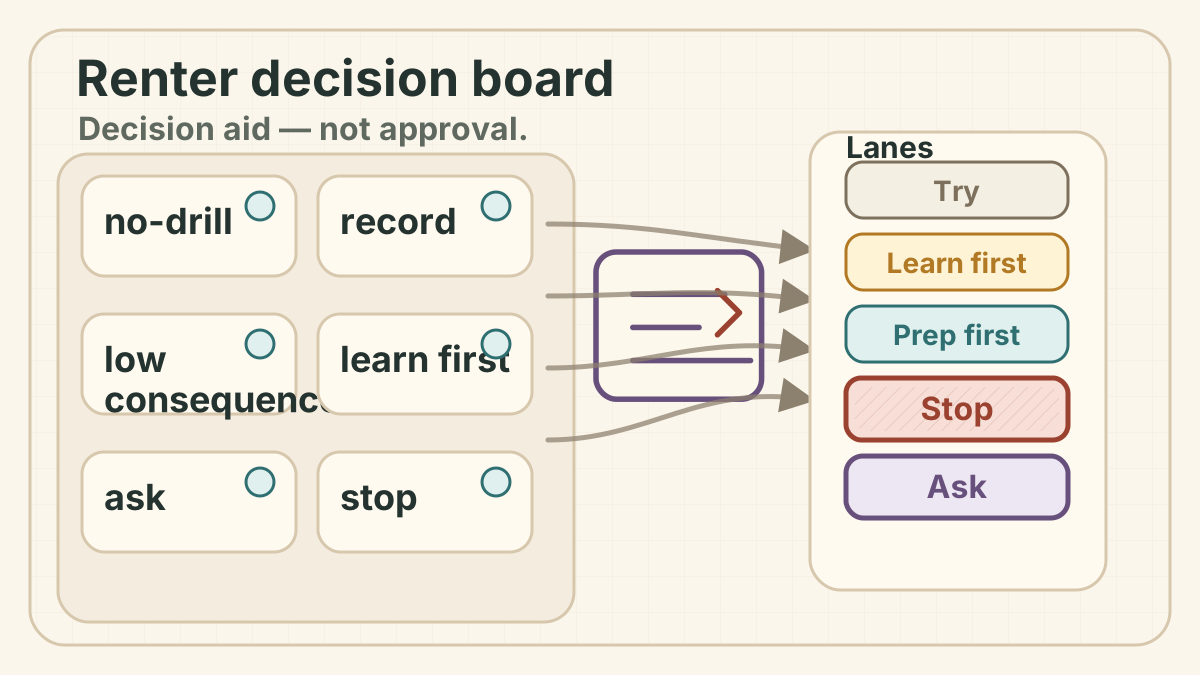
A renter-focused checklist for deciding whether a wall change should move to Try, Prep first, Learn first, Ask, or Stop before tools or hardware come out.
Decision flow
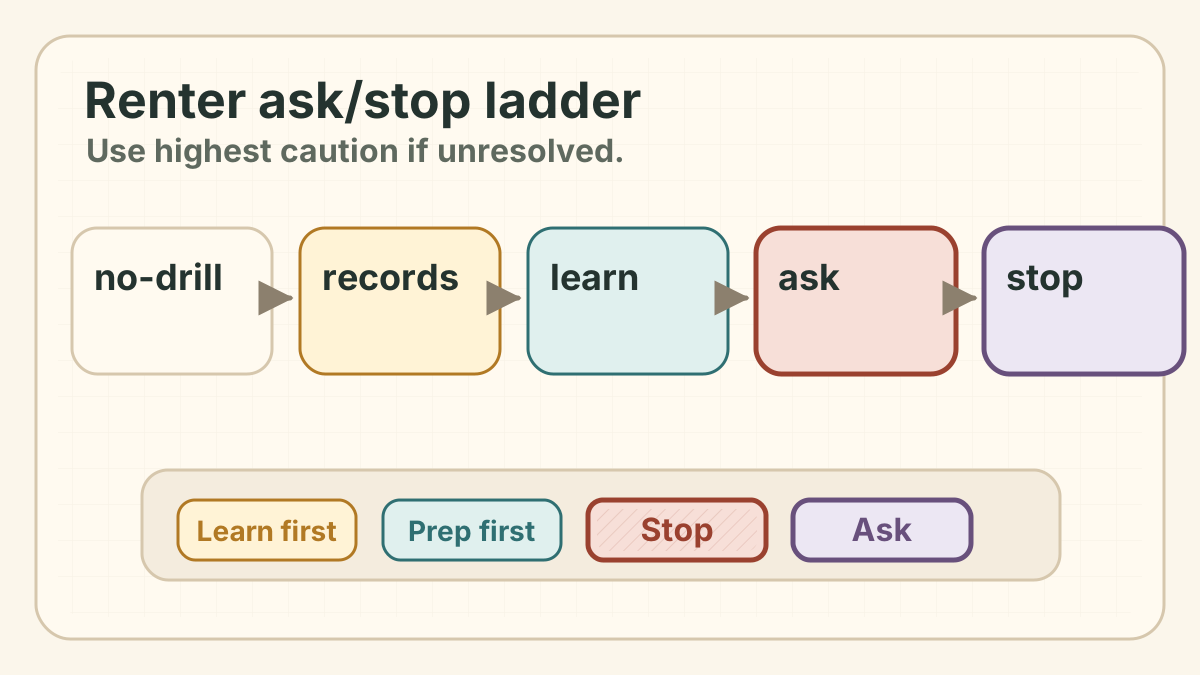
Work through the groups in order. If any stop condition appears, use the Stop or Ask lane instead of continuing through the checklist.
A reviewed checklist means ready for the next decision, not permission to drill, mount, patch, paint, or skip product instructions or qualified review.
Use this before a renter wall change becomes a property-rule question or risky wall task. Use Try only for a low-consequence no-drill plan; it does not approve drilling, mounting, a lease interpretation, a deposit outcome, or landlord permission. Use Prep first for photos and records, Learn first for wall or property-rule context, Ask for property-rule or high-consequence uncertainty, and Stop for damaged walls, hidden-service context, or heavy mounting. When wall-risk uncertainty remains, use C2 and the Wall Risk Checker before deciding whether any drilling plan should continue. Method note: This checklist organizes project editorial planning guidance and user-supplied context; it is not based on hands-on inspection, lease interpretation, or testing.
Interactive decision flow
Choose the current lane before the next step
Review the groups in order. A checked item means reviewed, not permission to drill, mount, patch, or repair.
Object consequence
Name what is being hung, mounted, drilled, repaired, or affected if the job fails.
Wall type
Decide whether the wall context is simple enough to keep planning or uncertain enough to learn first.
This checklist has no wall-type item. If wall material matters to the job, use Learn first, Stop, or Ask.
Wall condition
Look for visible wall or finish conditions that should change the small-DIY decision.
This checklist has no wall-condition item. If wet, soft, damaged, or non-cosmetic conditions apply, use Stop or Ask.
Hidden services
Check whether the area may involve electrical, plumbing, gas, water, cable, utility, or heat risk.
Fastener / support
Match the object, wall, support evidence, fastener choice, and product instructions before choosing hardware.
Layout / measurement
Plan placement, photos, measurements, access, cable route, and obstacles before any permanent step.
Stop decision
Choose the conservative lane when a stop condition, high consequence, or responsible-review need appears.
Your current lane
No lane yet
Start with object consequence, then work through wall type, condition, hidden services, support, layout, and stop decision.
Complete the required checks, or choose Stop or Ask if a stop condition appears. The lane is a decision prompt, not permission.
- Your lane
- No lane yet
- Reason
- No group has been reviewed yet.
- What to gather
- Start with object consequence, wall type, condition, hidden services, support, layout, and stop signals.
- What to read next
- Review the grouped checklist signals before choosing a next step.
- Stop condition
- Any Stop or Ask signal, high consequence, hidden-service concern, damaged wall, or unclear support overrides Try.
This result is a planning prompt. It is not permission to drill, mount, repair, hide damage, or skip product instructions or qualified review.
Wall-risk uncertainty? Run the Wall Risk Checker, then use the Before You Drill Checklist. Neither one interprets a lease or gives permission to drill.
Visual notes
Helpful reference images
Source and rights: original-code SVG details
Source and rights: original-code SVG details
Supporting reads
Read the decision context before you buy or drill
What Tools Should a Renter Actually Own?
A realistic renter tool list for common setup, hanging, assembly, and touch-up jobs without overbuying gear.
First Apartment Repair Kit: What to Buy and What to Skip
A lean starter repair kit for renters who want to handle common apartment setup, touch-ups, and low-risk wall decisions without buying a full workshop.
Move-Out Touch-Ups: Small Fixes Worth Reviewing Before Leaving
Review which small cosmetic wall fixes may be worth considering before move-out while keeping deposit, lease, responsibility, and non-cosmetic damage questions separate from DIY touch-ups.
How to Prepare a Small-Repair Request Without Mixing in Risky Work
Use this prep guide to organize photos, measurements, access notes, and unknowns before asking about low-risk small repairs. It is not a booking page, quote, price, timing, same-day, one-visit, acceptance, or professional-approval promise.
Next step
Related guides and checklists
Before You Drill Into a Wall: Beginner Checklist
A stop-first checklist for wall type, placement, fastener choice, and measurement before making the first hole.
What Tools Should a Renter Actually Own?
A realistic renter tool list for common setup, hanging, assembly, and touch-up jobs without overbuying gear.
First Apartment Repair Kit: What to Buy and What to Skip
A lean starter repair kit for renters who want to handle common apartment setup, touch-ups, and low-risk wall decisions without buying a full workshop.