Start with the first five renter jobs
Do not build the kit from a hardware-store aisle. Build it from the jobs you are likely to face first.
The first five renter jobs are usually measuring a space, assembling furniture, tightening loose hardware, placing light decor, and handling a small cosmetic mark.
Those jobs need a tape measure, a multi-bit screwdriver, a small level, a flashlight, painter's tape, and a compact place to store everything.
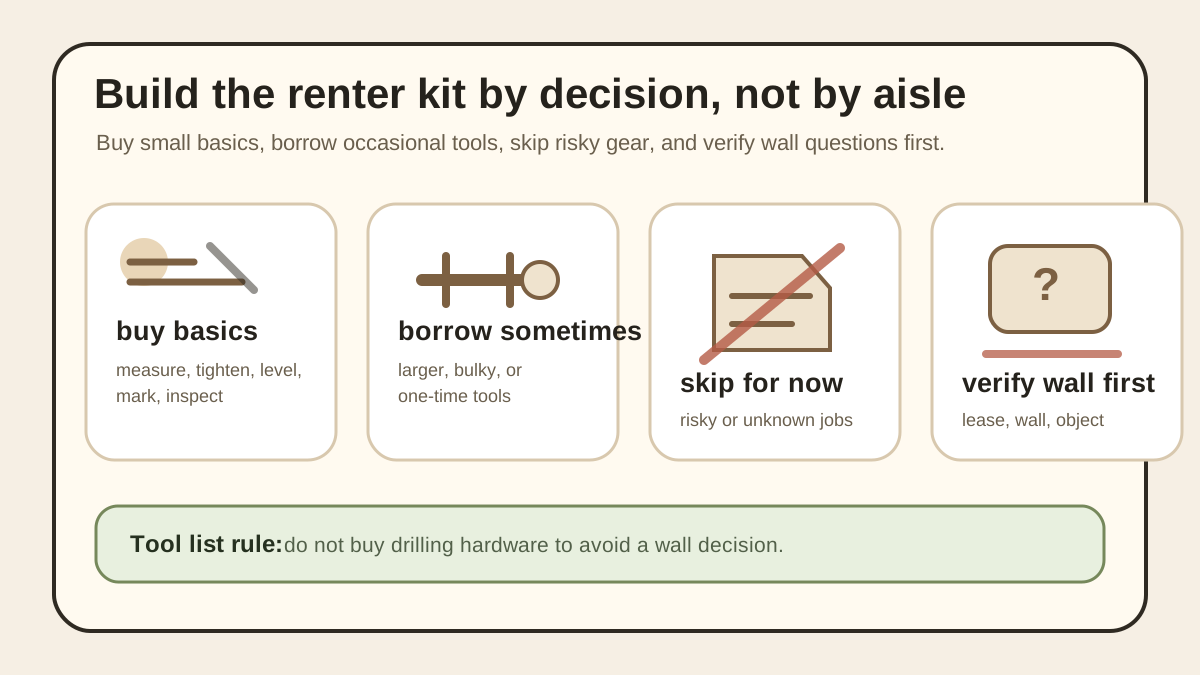
Buy, borrow, skip, or verify first
Buy now: a tape measure, multi-bit screwdriver, small level, flashlight, utility knife, painter's tape, felt pads, a small pouch or bin, and a few low-risk consumables you actually expect to use.
Buy later: a stud finder, drill, drill bits, anchor assortment, sanding sponge, putty knife, or small patching supplies when a real task requires them and the wall or lease question is clear.
Borrow first: a drill, stable step stool or appropriate access equipment for low-risk tasks, larger level, specialty bit, or bulky item that may only be used once.
Skip for now: oversized tool kits, brand-specific battery systems, heavy-duty anchor kits, plumbing or electrical repair tools, high-reach equipment, and anything bought for a repair you have not identified.
Verify first: any tool meant for drilling, anchoring, patching, sanding, or working near a wall whose type, condition, or lease rules are not clear.
When a tool question is really a wall question
A drill, anchor kit, or stud finder may look like the missing tool, but the real question is often the wall.
Before buying wall-drilling tools, name the object, check whether the wall is simple drywall or something else, decide what happens if the object falls, and confirm that the lease or building rules do not change the decision.
If the wall type is unknown, start with the wall-type guide. If the job needs a new hole, use the Before You Drill checklist before the first hole. If you are depending on a stud finder beep, treat the reading as a clue and read the stud-finder false-positive guide before trusting it.
Scenario shortcuts
Furniture assembly: buy a multi-bit screwdriver, flashlight, and small organizer. Borrow a drill only if the instructions clearly call for one.
Light picture or poster planning: buy painter's tape, a tape measure, and a small level. Verify the lease and wall condition before making holes.
Small nail hole or shallow dent: do not buy a full patching kit first. Read the small drywall hole guide, then compare spackle, joint compound, or patch-kit options only if the wall is dry, firm, stable, and cosmetic.
Shelf, mirror, TV, cabinet, grab bar, or anything above a bed, desk, child area, or walkway: stop treating this as a starter-tool problem. Move to the pre-drill checklist and wall-type decision path.
Stop rules before the cart grows
Stop if the tool you want is mainly for drilling into an unknown wall.
Stop if the wall is wet, soft, stained, mold-suspect, crumbling, repeatedly patched, or moving.
Stop if the task may involve electrical, plumbing, gas, water, structural, tile, masonry, waterproofing, or hidden-service risk.
Stop if the object is heavy, overhead, above a bed, near a child area, in a walkway, or expensive enough that failure would matter.
Stop if buying a stronger tool is being used to avoid asking whether the job belongs in DIY.
Evidence note
This guide is researched as a conservative renter starter framework. Before You Drill has not performed tool testing or brand comparisons for this page, and this article does not rank products or provide live prices.