Before You Drill Into a Wall: Beginner Checklist
A stop-first checklist for wall type, placement, fastener choice, and measurement before making the first hole.
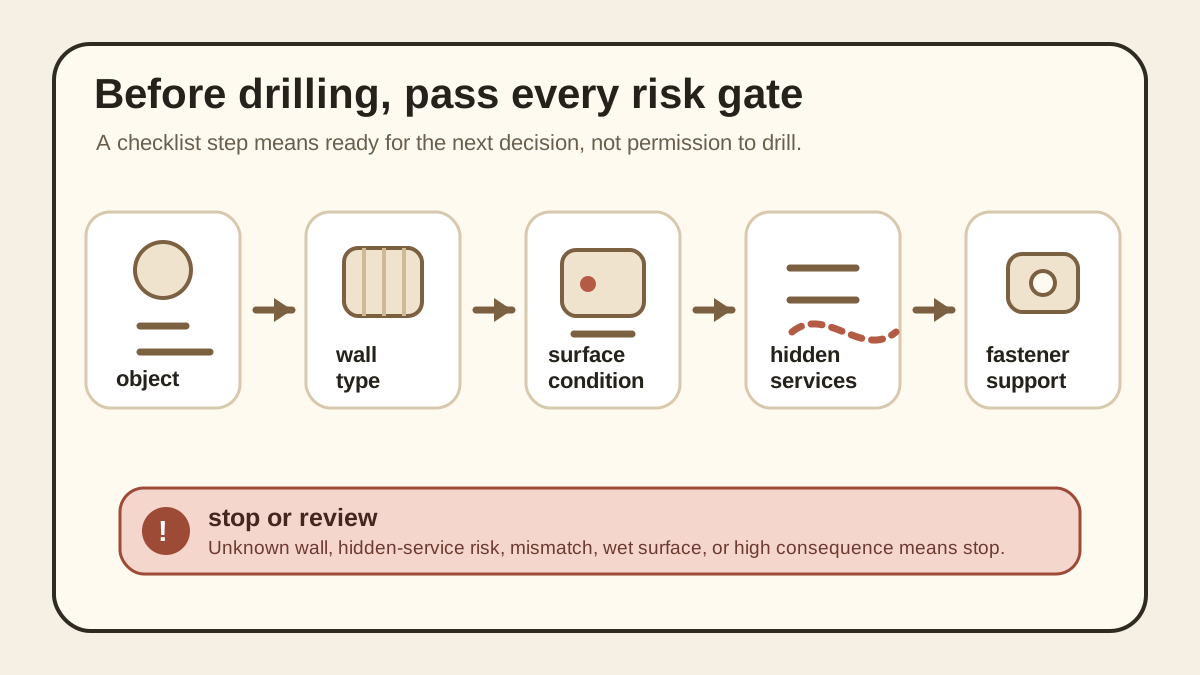
Decision flow
Work through the groups in order. If any stop condition appears, use the Stop or Ask lane instead of continuing through the checklist.
A reviewed checklist means ready for the next decision, not permission to drill, mount, patch, paint, or skip product instructions or qualified review.
Interactive decision flow
Choose the current lane before the next step
Review the groups in order. A checked item means reviewed, not permission to drill, mount, patch, or repair.
Object consequence
Name what is being hung, mounted, drilled, repaired, or affected if the job fails.
Wall type
Decide whether the wall context is simple enough to keep planning or uncertain enough to learn first.
Wall condition
Look for visible wall or finish conditions that should change the small-DIY decision.
Hidden services
Check whether the area may involve electrical, plumbing, gas, water, cable, utility, or heat risk.
Fastener / support
Match the object, wall, support evidence, fastener choice, and product instructions before choosing hardware.
Layout / measurement
Plan placement, photos, measurements, access, cable route, and obstacles before any permanent step.
Stop decision
Choose the conservative lane when a stop condition, high consequence, or responsible-review need appears.
Your current lane
No lane yet
Start with object consequence, then work through wall type, condition, hidden services, support, layout, and stop decision.
Complete the required checks, or choose Stop or Ask if a stop condition appears. The lane is a decision prompt, not permission.
- Your lane
- No lane yet
- Reason
- No group has been reviewed yet.
- What to gather
- Start with object consequence, wall type, condition, hidden services, support, layout, and stop signals.
- What to read next
- Review the grouped checklist signals before choosing a next step.
- Stop condition
- Any Stop or Ask signal, high consequence, hidden-service concern, damaged wall, or unclear support overrides Try.
This result is a planning prompt. It is not permission to drill, mount, repair, hide damage, or skip product instructions or qualified review.
Transcript draft
How to Use the Pre-Drill Checklist
Helps you use the checklist groups to decide whether to continue, learn first, prep first, stop, or ask.
This is decision support, not permission to drill, mount, patch, or repair.
The pre-drill checklist slows the job down by checking object consequence, wall type, wall condition, nearby risks, and exact fastener or bracket instructions before any hole.
Use this if the checklist reveals wall-type uncertainty before any hole.
Visual notes
Helpful reference images
Source and rights: original-code SVG details
Source and rights: original-code SVG details
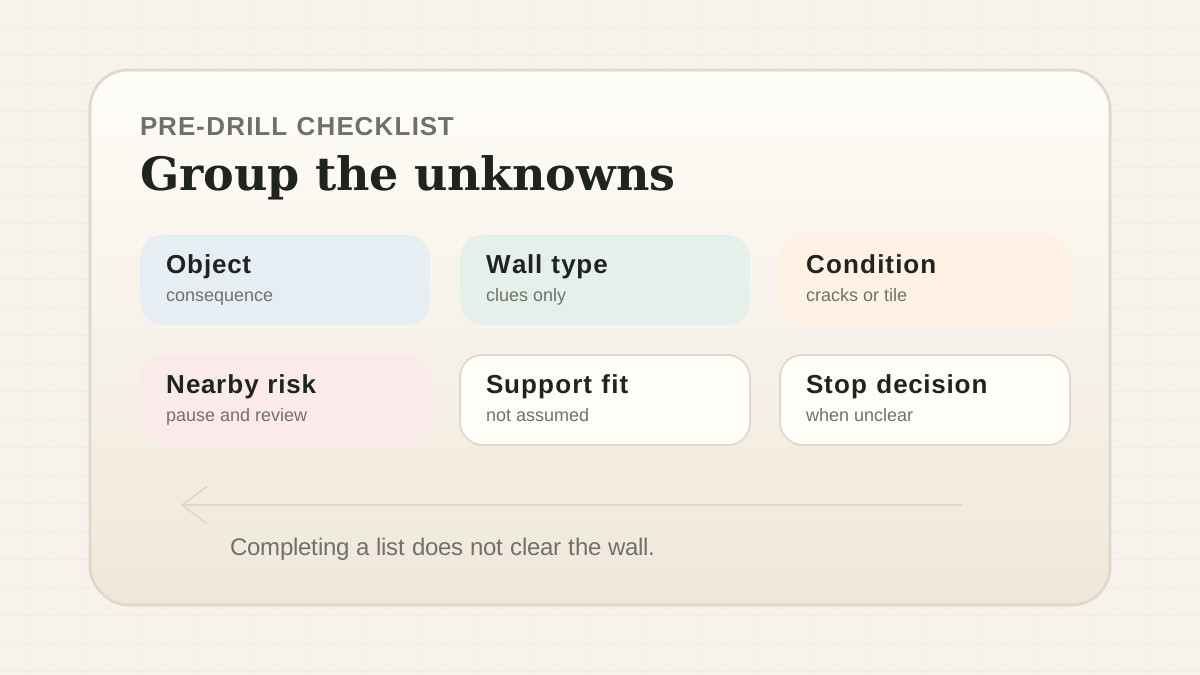
Source and rights: original-code SVG details
Supporting reads
Read the decision context before you buy or drill
How to Tell What Kind of Wall You Have Before Drilling
Use visible wall clues to slow down before drilling—not to confirm wall type or clear the wall. Drywall, plaster, masonry, tile, and layered walls need different decisions.
Stud Finder Beeping Everywhere? False Positives Before You Drill
A stud finder reading is a clue, not drilling clearance. Learn when inconsistent readings across repeated scans, broad alerts, or model-specific warnings mean stop, check the wall and room context, and reassess.
Drywall Anchor Weight Ratings: 6 Mistakes Before You Trust the Number
Drywall anchor ratings are conditional, not permission or proof. Before comparing ratings, check the exact product instructions, compatible sound wall, required wall thickness and cavity clearance, installation method, load direction, and consequence if the object falls.
Drywall Anchors Explained for Beginners
A beginner-friendly guide to anchor types, wall risk, common failure modes, and when a stud matters more than the anchor.
Can You Mount a TV Yourself?
A decision-first guide to whether TV mounting is a reasonable DIY task based on wall type, bracket method, cable plan, and failure downside.
TV Mounting Photos to Take Before Asking for Help
A practical checklist of the room, wall, bracket, TV, and measurement photos that make a mounting review easier before anyone drills.
Planning helper
Check TV viewing height before you commit to the wall.
Use the TV mount height calculator to compare screen size, eye height, viewing distance, and how people sit in the room before you choose a centerline. It is a comfort-planning helper, not structural approval, installation approval, a quote, or permit and code advice.
Next step
Related guides and checklists
How to Tell What Kind of Wall You Have Before Drilling
Use visible wall clues to slow down before drilling—not to confirm wall type or clear the wall. Drywall, plaster, masonry, tile, and layered walls need different decisions.
Stud Finder Beeping Everywhere? False Positives Before You Drill
A stud finder reading is a clue, not drilling clearance. Learn when inconsistent readings across repeated scans, broad alerts, or model-specific warnings mean stop, check the wall and room context, and reassess.
Drywall Anchor Weight Ratings: 6 Mistakes Before You Trust the Number
Drywall anchor ratings are conditional, not permission or proof. Before comparing ratings, check the exact product instructions, compatible sound wall, required wall thickness and cavity clearance, installation method, load direction, and consequence if the object falls.