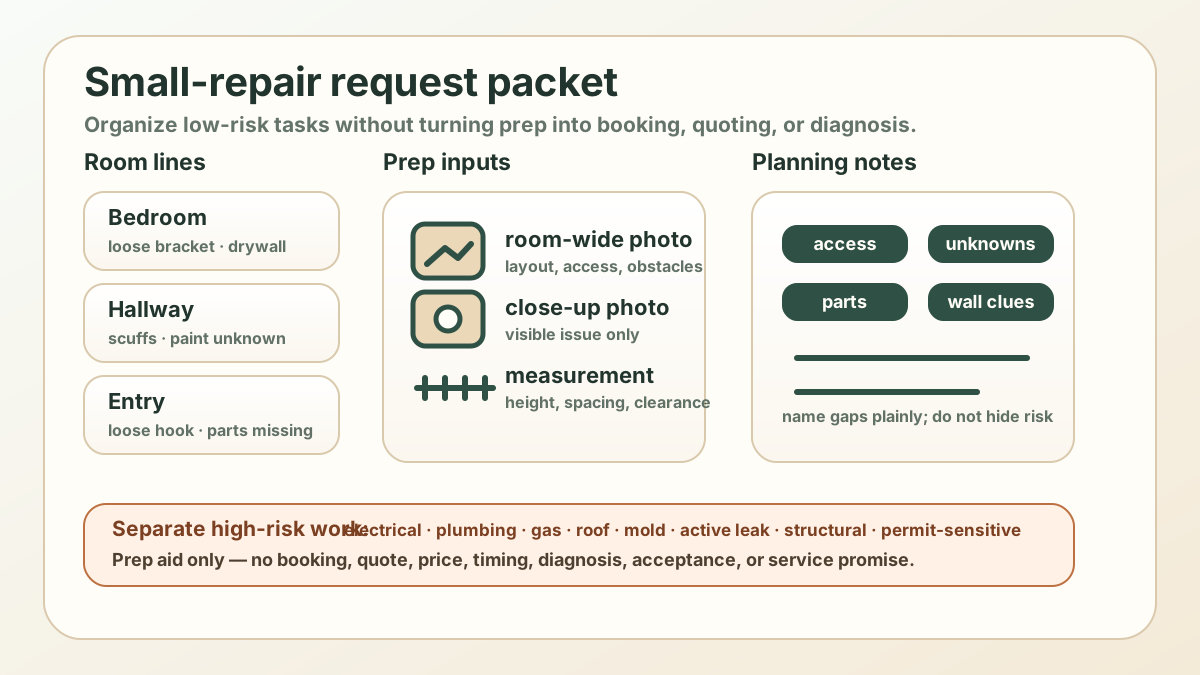
What belongs in a grouped small-repair request
A grouped request works best for related low-risk tasks: small touch-ups, basic assembly, minor hardware issues, photo-prepped mounting questions, and clearly described finish problems.
The point is to make the first review easier, not to imply booking, pricing, timing, same-day service, one visit, acceptance, or professional approval from photos.
Group by room first
Start with rooms because photos, access, and context are easier to follow that way. For each room, list the task, the surface involved, and what still feels uncertain.
A short grouped list is usually clearer than a long paragraph: bedroom shelf, hallway scuffs, living-room curtain bracket, entryway loose hook.
Group by wall, task, and risk
After room grouping, mark whether each task involves drywall, tile, masonry, unknown wall material, furniture assembly, paint, hardware, or a possible hidden issue.
Separate simple cosmetic or setup tasks from anything that could involve water, electrical, plumbing, structure, gas, roof, mold, or permit-sensitive work.
Photos and measurements to gather
For each task, gather one room-wide photo, one close-up photo, and a measurement photo when placement or clearance matters.
For mounting or wall work, include wall context, intended height or location, nearby outlets or obstacles, and any hardware already purchased or already installed.
Build a small request packet
For each task, write one short line with the room, the surface or object involved, the visible issue, one room-wide photo, one close-up photo, any measurement that affects placement or clearance, and one unknown that still needs review.
A clear packet might say: bedroom, drywall, loose curtain bracket, wide wall photo, close-up of old holes, bracket spacing measurement, unknown anchor type. That is more useful than a vague request like "fix a few things."
The packet should make the first review clearer. It should not promise that the work fits one visit, one price, same-day timing, or final approval from photos.
Use the same request line for each item
Use one short format for every item: room, task, surface or object, photo set, measurement that matters, main unknown, and any stop-rule flag.
Example: bedroom, loose curtain bracket, drywall, wide photo plus close-up, bracket spacing, unknown anchor type, no visible moisture or electrical concern. If a high-risk condition appears, move it out of the grouped request instead of burying it in the list.
Keep the wording neutral. A request packet helps someone review the scope; it does not diagnose the cause, set a price, hold a time slot, or approve the work.
Access notes and unknowns
Add practical notes such as parking, building access, elevator or stair constraints, pet or tenant access limits, and whether the area is clear enough to review or work around.
List unknowns plainly. Unknown wall type, missing hardware, unclear paint, or uncertain damage cause are useful review inputs, not details to hide.
What must be separated out
Separate active leaks, mold-suspect areas, electrical problems, plumbing problems, gas concerns, roof or ladder-risk work, structural issues, permit-sensitive work, and urgent hazards from ordinary small-repair grouping.
Those items need their own assessment path and may require a qualified professional. Do not bury them inside a list of easy touch-ups, assembly tasks, paint questions, or small hardware issues.
Also separate any task where the expected answer depends on guaranteed timing, guaranteed pricing, guaranteed acceptance, code or permit advice, professional diagnosis, or approval from photos alone.
Future help-path note
Location-specific help paths are deferred for a later phase. For now, keep grouped repair planning focused on clear text, photos, measurements, access notes, unknowns, and stop-rule separation.
If a future local help path is added, the request packet should still stay conservative: no one-visit promise, no fixed-price promise, no same-day promise, no guaranteed acceptance, and no professional diagnosis from photos.
This guide is not a Handyista booking page or a national service offer. It is a preparation guide for making small, low-risk repair questions easier to describe.