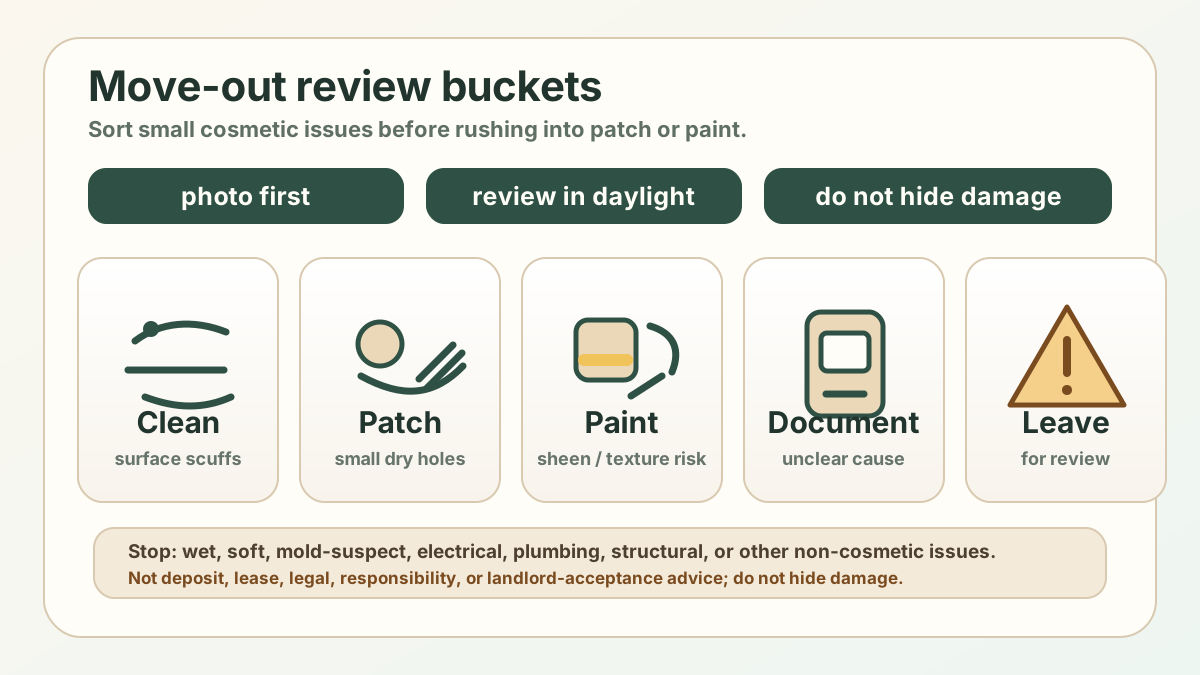
Move-out triage list
Start by separating visible cosmetic issues from anything that suggests moisture, movement, impact damage, mold, electrical risk, plumbing risk, or a structural concern.
Cosmetic review can include small wall holes, scuffs, hardware marks, loose small fixtures, and paint-patch decisions. It should not become a last-minute attempt to solve every rental concern.
Fix now vs document now
Fix now is more reasonable when the issue is small, dry, stable, and the finish standard is realistic. Document now is often better when the repair could make the wall look worse or the cause is unclear.
Take photos before touching anything. A quick before-photo helps you decide whether the attempted repair is improving the wall or expanding the visible problem.
Photo-first triage
Before you patch, paint, clean, or remove hardware, take a simple before-photo in normal room light. If the finish is hard to judge, add one angled-light photo so sheen, texture, patch edges, and sanding marks are easier to see.
Then sort the issue by what it appears to be: a dry cosmetic mark, a small hole, a paint or sheen mismatch, a hardware mark, or a condition that may be wet, soft, spreading, mold-suspect, electrical, plumbing, or structural.
The photo step is not about proving a repair outcome. It helps you slow down, compare the starting condition to any attempted fix, and decide whether the item belongs in patch, paint, clean, document, or leave-for-review.
Small wall holes and patch risk
Tiny nail holes or shallow dents may be reasonable to review for patching if the wall is firm and dry. Anchor tear-outs, soft drywall, crumbling edges, or repeated cracks need more caution.
The patch is only part of the result. Sanding, texture, primer, and paint can make a small hole more visible than it was before.
Paint, sheen, and scuff decisions
Scuffs may sometimes clean up more safely than they patch or repaint. Paint touch-ups are less predictable when the paint age, sheen, or wall texture is unknown.
If a spot repair starts flashing in daylight or side light, stop before adding more paint over a wider area.
Hardware, hooks, and small fixture marks
Review old hooks, bracket holes, curtain hardware marks, and loose small fixtures as separate items. Do not treat every hole or mark as the same kind of repair.
If removing hardware reveals a torn surface, unknown anchor, or wider damage, document the condition before deciding whether filler or paint belongs next.
What not to do the night before move-out
Avoid starting new sanding, broad paint work, or unfamiliar patching when there is not enough time to check the finish in daylight.
Do not try to hide water damage, mold-suspect staining, electrical issues, plumbing issues, or other non-cosmetic problems with filler or paint.
Move-out buckets: clean, patch, paint, document, or leave for review
Use buckets instead of one rushed repair list. Cleaning is for surface marks that do not need filler or paint. Patching is for small, dry, stable wall damage where the edge and surrounding wall still look sound. Painting is a separate finish decision because sheen, age, texture, and side light can make a repair stand out.
Document when the cause is unclear, the wall condition is uncertain, the repair could grow, or the timing is too tight to check the finish in daylight. Leave for review when the issue may involve moisture, mold suspicion, repeated cracking, hidden services, wall movement, or a question that is really about responsibility rather than a small cosmetic fix.
Do not mix all five buckets together. A cleaning task, a tiny nail-hole patch, an unknown stain, and a lease question need different next steps.
Deposit and lease boundary
This guide does not predict deposit outcomes, interpret lease terms, or decide who is responsible for a condition. It only helps you prepare a clearer cosmetic review and avoid turning a small visible issue into a larger finish problem.
If the question is about responsibility, documentation, timing, or lease rules, keep that separate from the DIY touch-up decision. Take clear photos, write down what you know, and avoid using filler or paint to hide wet, soft, mold-suspect, electrical, plumbing, structural, or otherwise non-cosmetic conditions.
A practical repair can still be the wrong move if it makes the wall harder to explain. When the physical repair decision and the rental-policy question start blending together, stop and document instead of guessing.