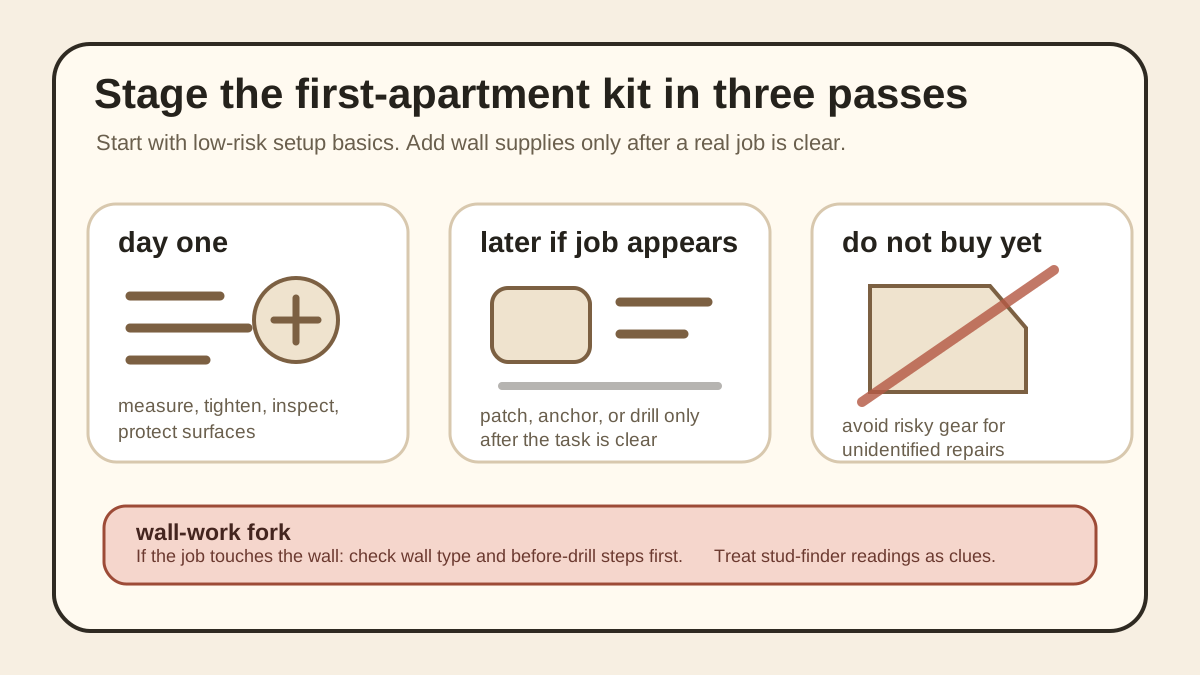
The kit is a decision system
A first-apartment repair kit should help you make smaller mistakes, not bigger ones.
The goal is to handle common setup friction, keep small touch-ups organized, and slow down before wall decisions.
A good kit helps you measure, mark, tighten, protect, document, and decide. It does not turn drilling, heavy mounting, wet-wall repair, or trade work into beginner DIY.
Day-one kit, later kit, and do-not-buy-yet
Day-one kit: tape measure, multi-bit screwdriver, small level, flashlight, utility knife, painter's tape, felt pads, compact organizer, and a simple note/photo habit for move-in issues.
Later kit: putty knife, sanding sponge, tiny spackle or filler, basic screws, limited anchors, stud finder, drill, and drill bits only after a real job appears.
Do-not-buy-yet: large patch kits, heavy-duty anchor sets, specialty electrical or plumbing tools, high-reach equipment, saws, power-tool bundles, and supplies for repairs you have not identified.
First-apartment scenarios
New bed frame or desk: the screwdriver, flashlight, and small organizer matter more than a drill unless the instructions say otherwise.
Curtains, shelves, mirrors, or TV ideas: pause before shopping. These can become wall-type, lease, anchor, stud-finder, or high-consequence decisions.
Tiny wall mark from move-in: photograph it first. If it is small, dry, firm, stable, and cosmetic, use the small drywall hole guide before choosing patching material.
Loose cabinet pull or door hardware: a screwdriver may solve the issue. Stop if the screw spins in damaged material or if the problem looks swollen, wet, split, or failing.
Bathroom or kitchen wall idea: treat tile, waterproofing, plumbing, and hidden-service uncertainty as stop-first conditions, not beginner kit problems.
The wall-work fork
When the kit decision touches a wall, split the path before buying anything else.
If it is a tiny cosmetic mark, go to the small drywall hole guide, then the patching-materials comparison.
If it requires a new hole, go to the Before You Drill checklist before choosing a drill, anchor, or stud finder.
If you do not know the wall type, go to the wall-type guide. If your plan depends on one stud finder reading, go to the stud-finder false-positive guide.
If you are choosing anchors, replacing a failed anchor, or trusting a package rating, go to the anchor-mistakes guide before making the hole bigger.
Buy less when the downside is unclear
The more uncertain the wall, lease, object, or failure consequence, the less you should buy upfront.
A renter kit is strongest when it keeps you from rushing. If the next purchase is meant to make an uncertain wall job feel simple, stop and use the decision path instead.
Stop rules before buying more
Stop if the kit list grows because the wall decision is unclear.
Stop if you are about to buy drilling tools before checking the wall type, lease, object consequence, and product instructions.
Stop if a wall is wet, soft, stained, mold-suspect, crumbling, repeatedly patched, or moving.
Stop if the task touches electrical, plumbing, gas, water, structural, tile, masonry, waterproofing, or hidden-service risk.
Stop if the object is heavy, overhead, above a bed, near a child area, in a walkway, or otherwise high-consequence.
Stop if the repair could affect lease, deposit, or landlord review and you have not documented the condition first.
Evidence note
This guide is researched as a beginner and renter decision framework. Before You Drill has not performed product testing, brand comparisons, price tracking, or availability checks for this page.